
What if someone told you that pet overpopulation isn’t real? That there are enough homes for every unwanted cat, and that spay/abort is unnecessary and inhumane?
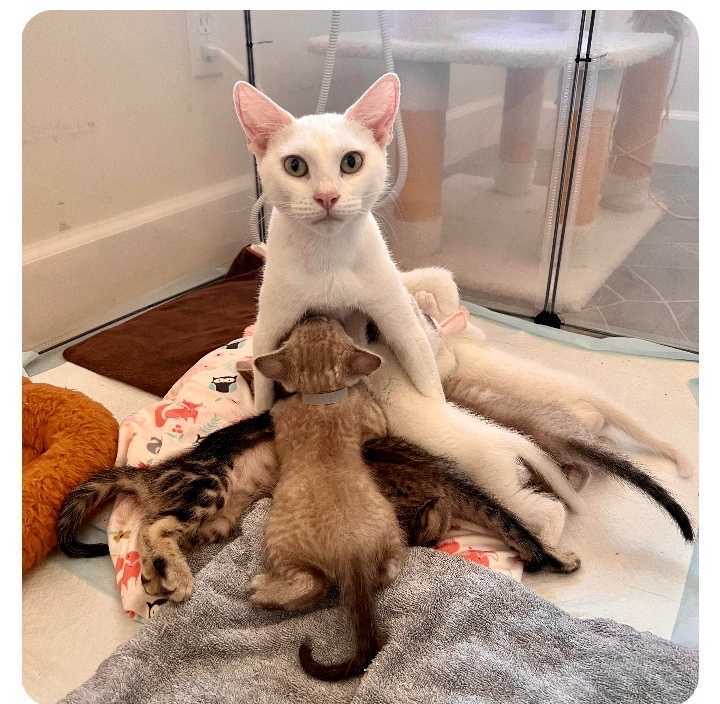
Those of us in animal welfare know those statements are not only wrong, they’re dangerous. In August 2025, LYFF convened a panel of animal welfare experts to clear the air with a straightforward, honest look at the situation.
The Facts
Records show that:
- Approximately 3.4 million felines enter shelters every year
- More than 1.5 million of those are kittens—about 80% of those were found on the streets
- More than 1.5 million of those are kittens—about 80% of those were found on the streets
- About 1.4 million healthy cats are euthanized every year because there are no homes for them
- Close to 250,000 kittens died in shelters in 2024
- 173,000 of those were under 8 weeks old—roughly half of them were euthanized, and half were so sick they died unassisted
(Data from the National Kitten Coalition and Shelter Animals Count/Hill’s Pet Nutrition via Kitten Lady)
What the Experts Say
The bottom line is that there aren’t enough homes—foster or permanent—for all the cats in the world. Shelters and rescues try their hardest, often at great financial and emotional expense, but the numbers aren’t there. As one of our experts says, “It’s a math problem.”
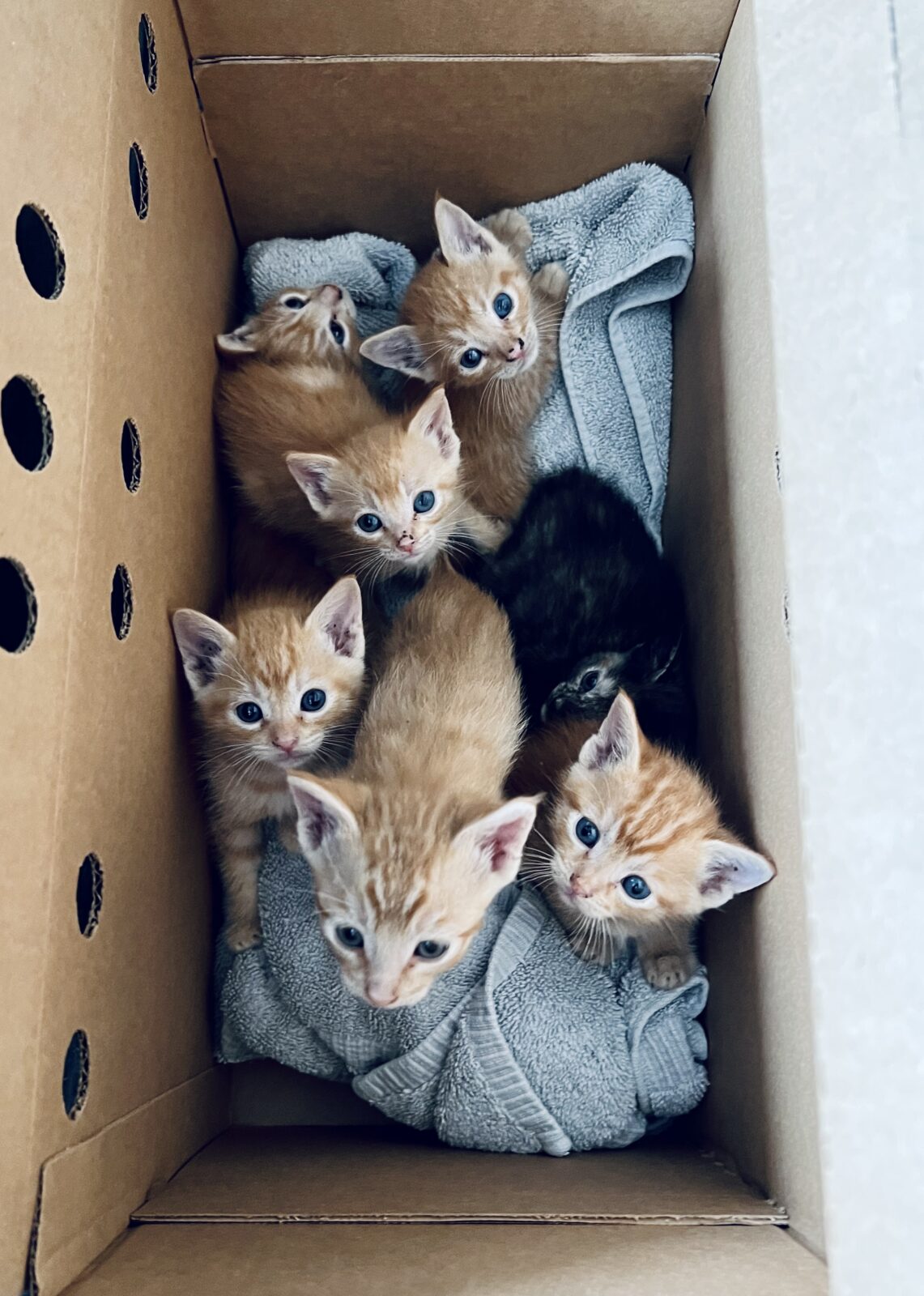
“We have definitely seen an increase in the number of animals that we are asked to rescue.”
—Janine Nielsen, Guardian Angel Pet Rescue
“The shelters are full because their rescue partners are full because their fosters are full. There just isn’t enough space … There is a math problem here. It’s animals in and animals out. It’s space, it’s money, and that’s just the reality of where we are.”
—Dr. Angela Hofmann, Doctor of Veterinary Medicine
“In San Diego County, there are 14 shelters. All 14 are at full capacity because they are taking in as many as they can. Do we build more shelters, is that the solution? No. There are 200 501(c)(3) rescues in San Diego County—and that’s not even the independent rescues. They are all full.”
—Dorell Sackett, Director of SNAP
“I just don’t think that you can understand the scope of the overpopulation problem until you are in one of these situations and until you see all the animals coming in, until you work with people who do the euthanasia. And let’s be honest. We’re all out there doing what we can. The people who are tasked with caring for these animals and then euthanizing these animals in the shelters? They’re not doing it because they want to. They’re doing it because that’s what’s happening.”
—Dr. Hofmann, DVM
The overpopulation problem is overwhelming and sad, not just for cats (and dogs), but also for veterinary professionals and animal welfare staff and volunteers—most of whom go into the work because of their love of animals, only to be confronted with the terrible math.
How do we solve the problem? What approaches are working and what’s not? Read more about the experts’ discussion in part 2: Why We Spay/Neuter Every Cat We Can, and check out the video highlights from our panel discussion or the full conversation.