
“Cat overpopulation is a real thing, and the way to fix it is trap-neuter-return. Get your traps out, baby!”
—Sterling “TrapKing” Davis
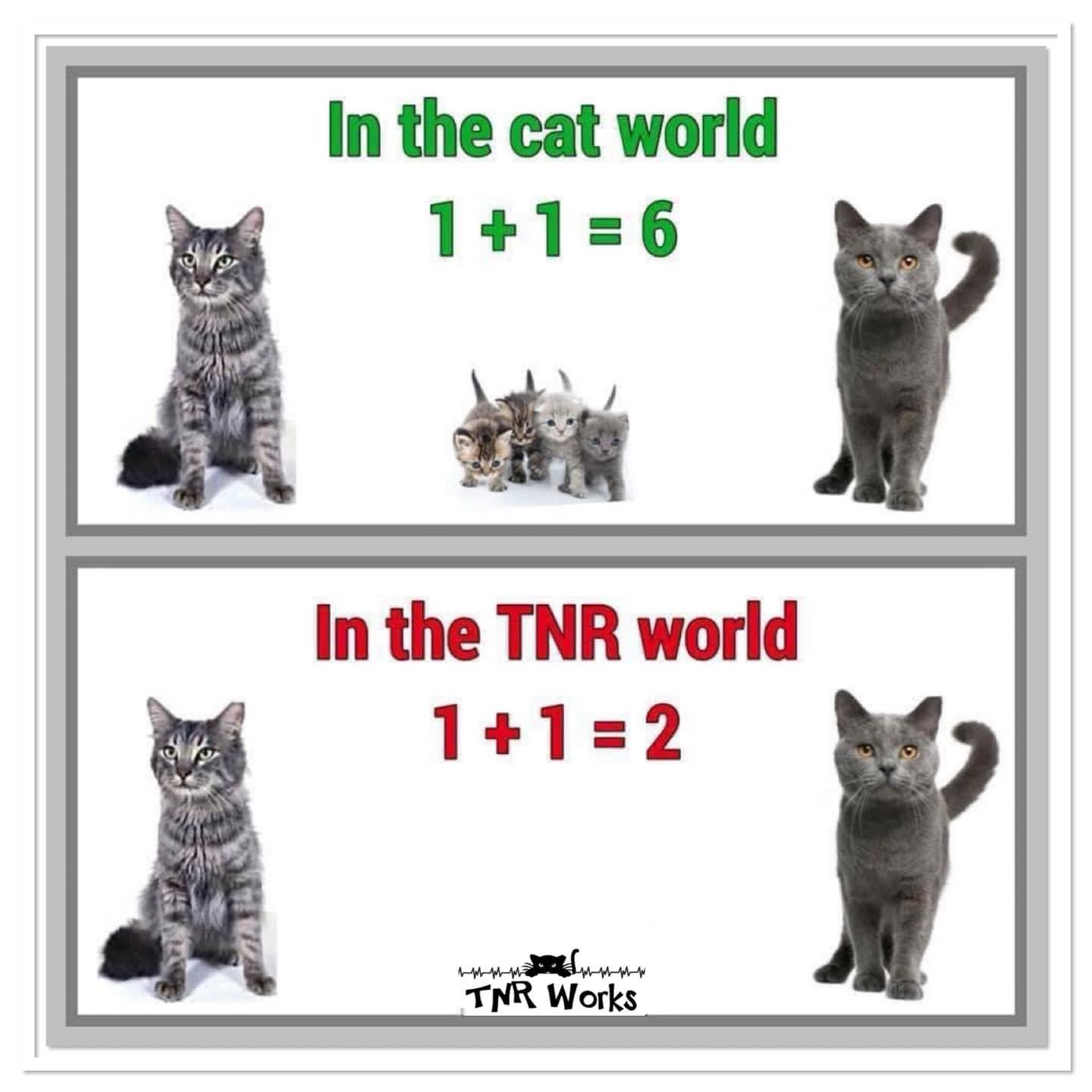
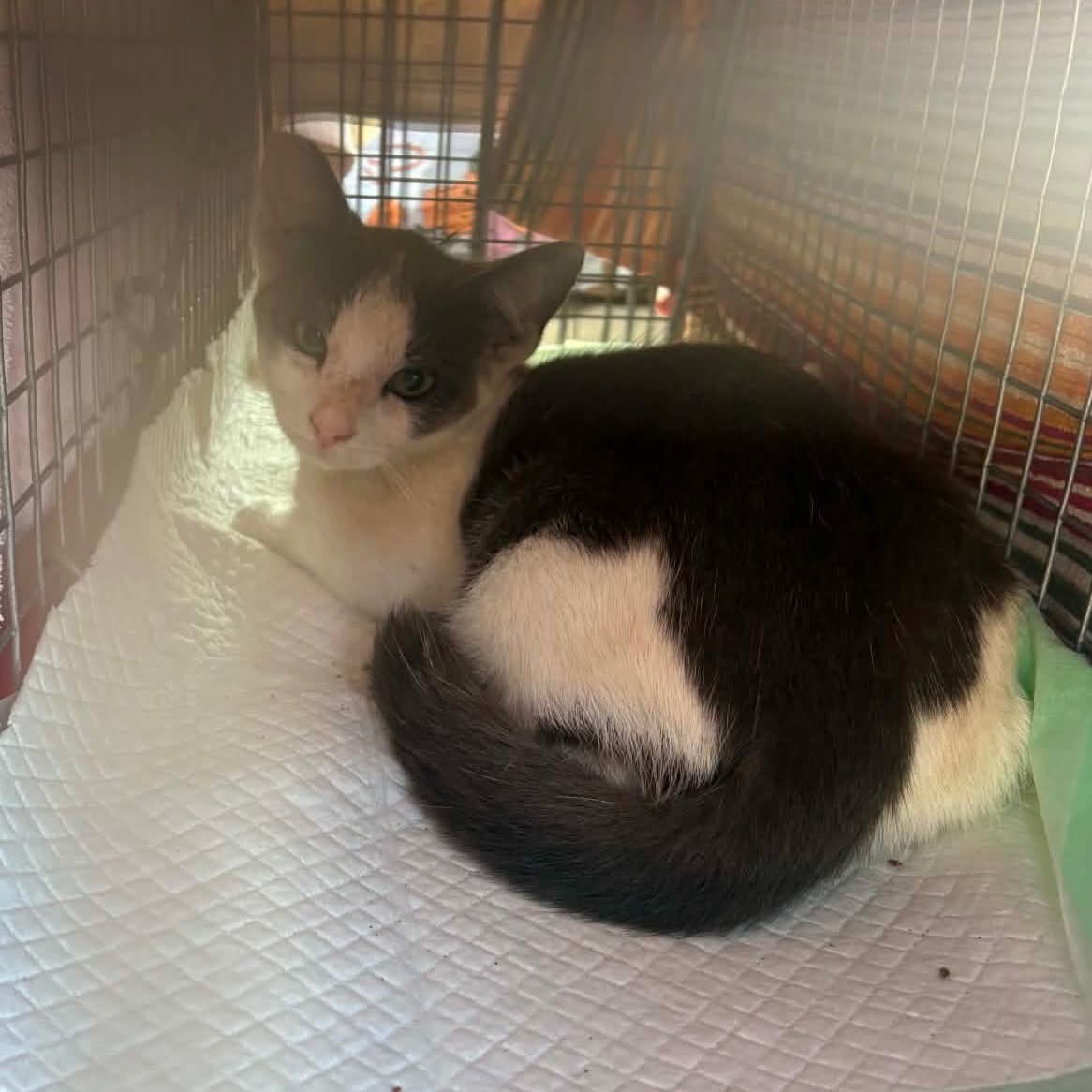
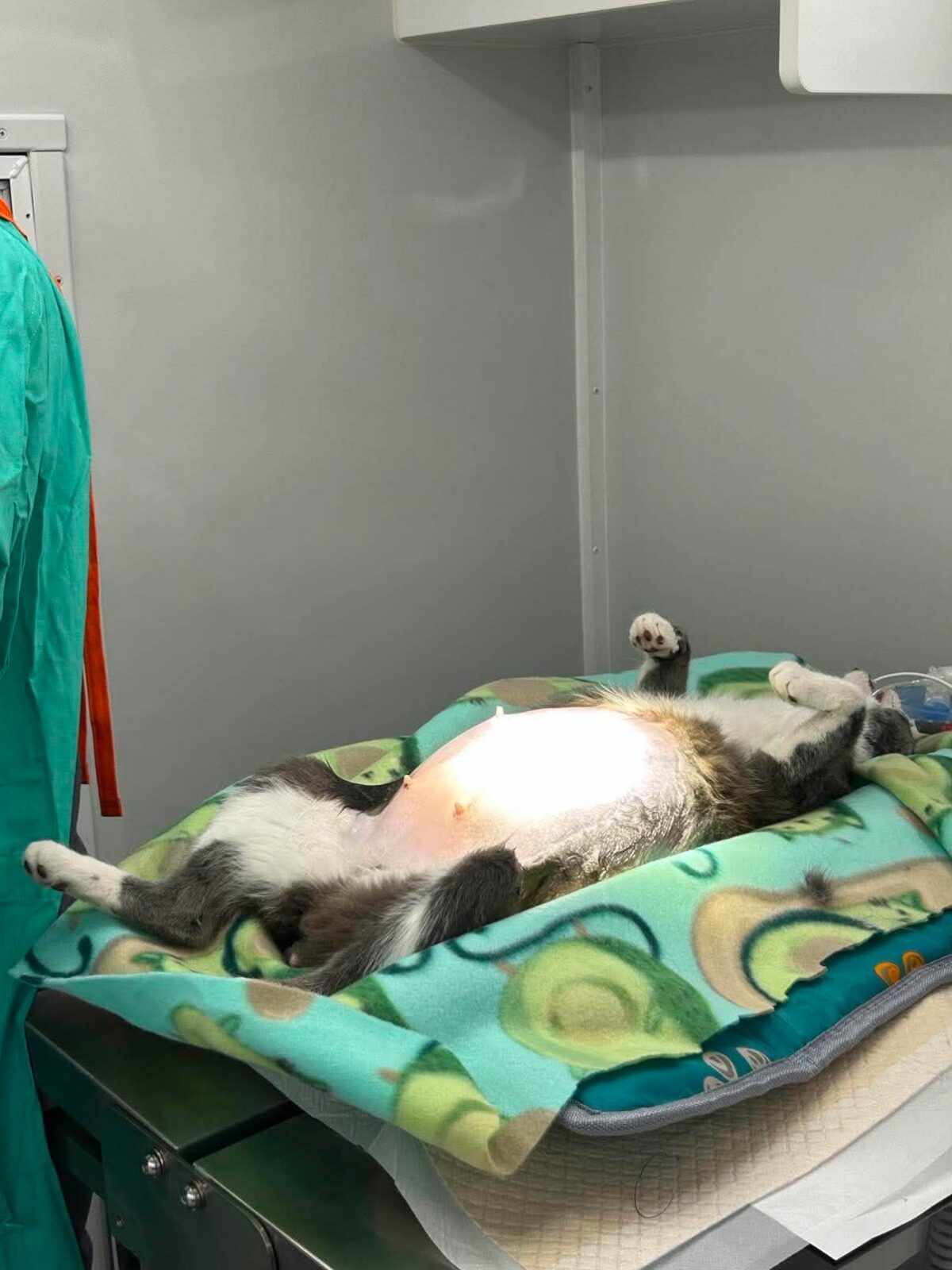
You wouldn’t treat the symptoms of an illness without also treating the cause. In the same way, we can’t rescue our way out of the cat overpopulation problem, so we have to try to stop it from happening. That means spay/neuter for as many cats as possible. And in some cases—in some rescues—that means the uncomfortable decision to spay pregnant cats.
“It goes back to the suffering question. How many of these do you want to get born, have treatable or untreatable diseases, and then die on the street? I understand it’s a difficult situation, and none of us want to be in the situation where we have to do it. But difficult decisions need to be made, because this is where we are. For me, it comes down to, which of these is going to prevent more suffering?”
—Dr. Angela Hofmann, Doctor of Veterinary Medicine
The Facts
- Population statistics:
- 1 unaltered female cat yields 20,736 kittens in 4 years
- 1 unaltered female + 1 unaltered male = 420,000 cats in 7 years
- 75% of kittens born outside die before they’re 6 months old
- Health benefits:
- Spayed females live up to 40% longer
- Neutered males live up to 60% longer
- Both live generally healthier lives
What the Experts Say
Cats as young as four months old can get pregnant, and they can get pregnant while they’re nursing, which means they can have up to four litters per year. When they’re living outside, they don’t often have the resources themselves to survive—whether it’s danger from the environment or predators or sufficient nutrition. When kittens are added to the mix, it’s even harder, and often mamas that are too young in the first place will give their lives for kittens that also have low odds of survival. As one expert tells us, “It’s really heartbreaking.”
“We know that these animals are not getting the right nutrition, they don’t have vaccines onboard, they can have ringworm, mites, all kinds of other things that are affecting them. Then you put a pregnancy on top of that, they’re not set up for success in this world, nor are the kittens that may be born. In my opinion, in my experience, spaying those cats is going to avoid a lot of health problems.”
—Dr. Hofmann, DVM
“I have not yet brought a kitten home that didn’t have fleas and worms and more often than not they have eye infections and/or respiratory infections. And had they not been rescued, most likely they would not have made it.”
—Lorette Perkins, LYFF TNR Volunteer
“The only humane solution to this problem is TNR programs, which includes spay and neuter. We’re never going to have enough homes, and we’re never going to adopt our way out of this situation.”
—Steph Munden, Peyton’s Angels Worldwide, Inc.
“A lot of our colonies have a lot of inbreeding going on. Those kittens are born without limbs, with handicaps. Even if they look perfectly fine on the outside, they have some internal issues with kidneys or livers, hearts—and you can’t see that. Adopters find this out later. They become very expensive to treat, and they have a very limited lifespan. That needs to be stopped.”
—Lorette Perkins LYFF TNR Volunteer
“The cycle never ends. Spaying now gives us a chance to catch up, and that’s what we really need to be able to save lives. Just a chance to catch up.”
—Kerry Ann May, Animal Outreach of Shelby County, Indiana
At LYFF, we hope for a world where rescues are redundant, where shelters can handle the number of unwanted pets, and we aren’t needed anymore. Our mission is to reduce suffering and improve the lives of cats, both in homes and in our community, and that means making hard decisions. We’re always going to choose the option that prevents more animals from facing abandonment, illness, and euthanasia.
Please join us, support our work, or spread the word. Together, we can create a future where fewer kittens are born into hardship and where every cat has a safe place to land. To learn more, check out the video highlights from our panel discussion or the full conversation.